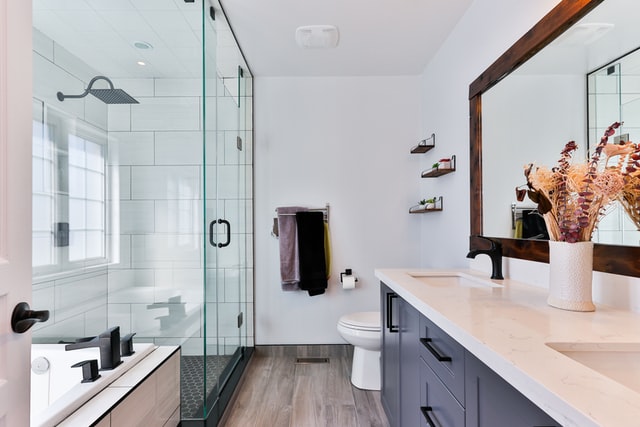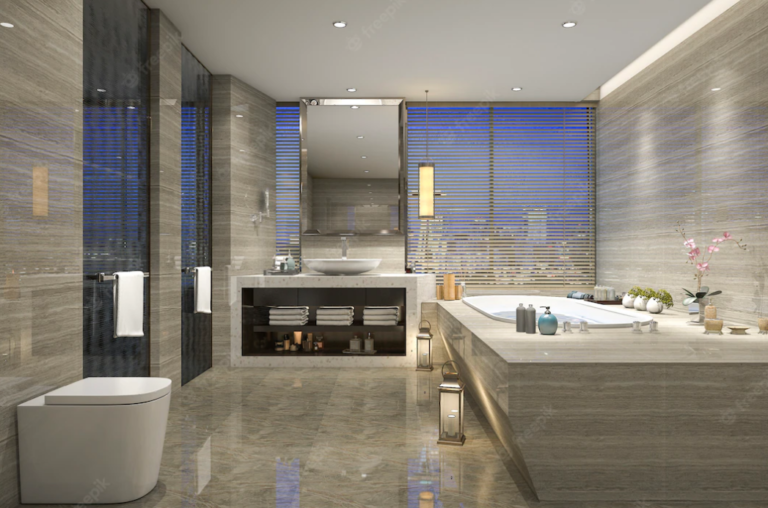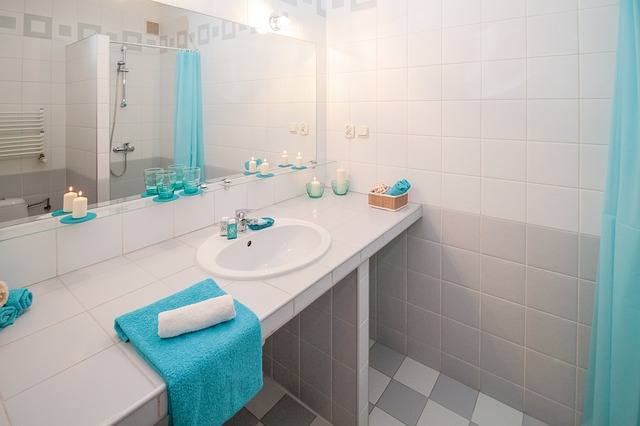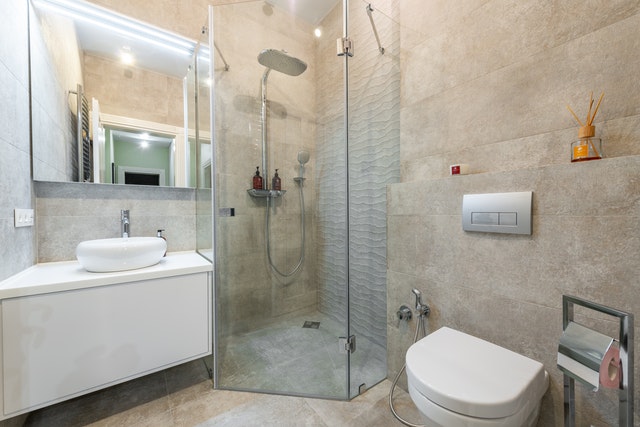
Remodeling a bathroom can dramatically improve both the functionality and appearance of your home. However, without proper planning, projects can quickly become costly, stressful, or take much longer than expected. By following a clear, step-by-step plan, homeowners can ensure a smooth remodel that delivers lasting results.
Here’s a practical guide covering the essential steps for planning a successful bathroom remodeling project.
1. Define Your Goals
Start by identifying why you want to remodel. Are you focused on:
- Improving storage and organization?
- Updating the style to a modern or contemporary look?
- Increasing the home’s resale value?
- Enhancing accessibility for family members?
Clearly defining your goals will guide every decision, from layout changes to fixture selection.
2. Set a Realistic Budget
Establishing a budget early helps you avoid overspending. Consider:
- Fixtures and finishes – sinks, vanities, tubs, tiles, and lighting.
- Labor costs – plumbing, electrical, and general contracting.
- Unexpected expenses – old plumbing or structural issues.
- Contingency fund – typically 10–15% of the total budget.
Knowing your budget allows you to prioritize features that matter most and make informed trade-offs.
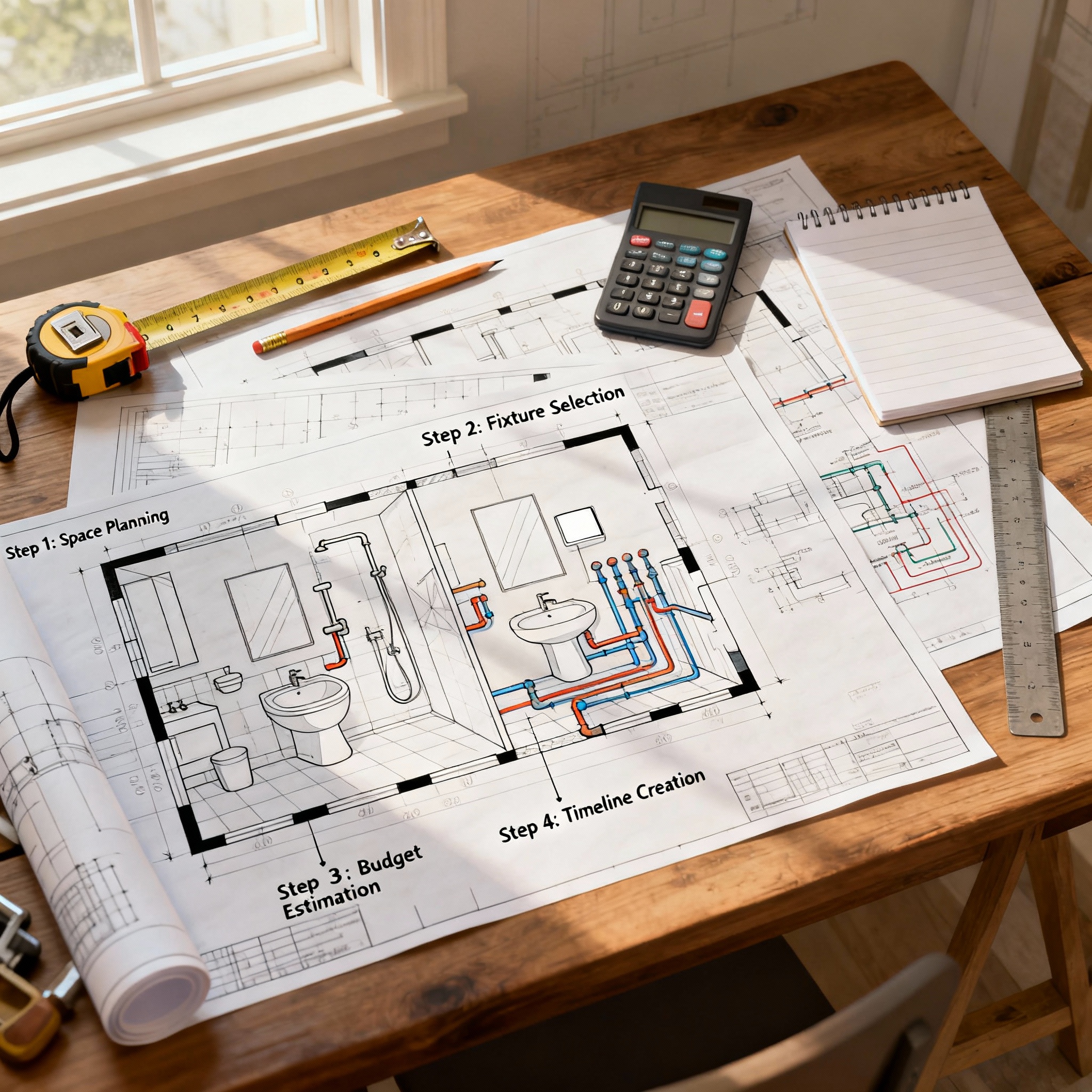
3. Measure Your Space
Accurate measurements are critical. Take note of:
- Room dimensions and ceiling height.
- Window and door locations.
- Existing plumbing and electrical placements.
- Storage requirements and traffic flow.
Precise measurements help avoid mistakes when purchasing vanities, cabinets, or fixtures.
4. Plan the Layout
The layout affects both functionality and aesthetics. Key considerations include:
- Efficient placement of toilets, sinks, and showers.
- Adequate counter and storage space.
- Proper clearance for doors, drawers, and traffic flow.
- Opportunities to add luxury elements like double vanities or soaking tubs.
Use design software or consult a professional to visualize the layout before starting construction.
5. Select Materials and Fixtures
Choosing the right materials ensures durability, style, and ease of maintenance. Common options include:
- Cabinets and vanities – floating, freestanding, or custom.
- Countertops – quartz, marble, or laminate.
- Flooring – porcelain tiles, vinyl, or natural stone.
- Plumbing fixtures – faucets, showerheads, and tubs.
- Lighting – task, ambient, and accent options.
Balance aesthetics, functionality, and budget when making selections.
6. Hire Professionals When Needed
While some DIY projects are manageable, bathrooms involve plumbing, electrical work, and sometimes structural changes. Hiring licensed professionals ensures:
- Compliance with building codes.
- Safe, high-quality installations.
- Time-saving and fewer errors.
Consider contractors, plumbers, electricians, and tiling specialists depending on your remodel scope.
7. Prepare for the Remodel
Before construction begins, prepare your home:
- Clear the bathroom – remove personal items, furniture, and decor.
- Set up temporary facilities – especially if it’s the main bathroom.
- Protect other areas – use plastic sheeting or drop cloths to prevent dust and debris.
Preparation reduces stress and keeps the project organized.
8. Monitor Progress and Stay Flexible
Even with careful planning, remodeling can have unexpected challenges. To keep the project on track:
- Regularly communicate with your contractor.
- Check milestones and quality of work.
- Be flexible with minor changes while keeping the overall goals in mind.
Active involvement ensures you get the desired results without unnecessary delays.
9. Finish and Decorate
Once construction is complete:
- Clean surfaces and remove dust.
- Install mirrors, towel racks, and accessories.
- Add personal touches like rugs, plants, or artwork.
- Inspect every fixture and cabinet to ensure proper function.
A thoughtful finishing touch enhances both appearance and usability.
10. Maintain Your New Bathroom
After remodeling, regular maintenance keeps your investment in top shape:
- Clean tiles, grout, and fixtures regularly.
- Check for leaks or plumbing issues.
- Replace worn-out seals and caulking as needed.
- Address minor repairs promptly to prevent larger problems.
Proper upkeep ensures your bathroom remains functional and beautiful for years.
Conclusion
Planning a successful bathroom remodeling project requires careful attention to goals, budget, layout, materials, and professional expertise. By following these essential steps, homeowners can minimize stress, avoid costly mistakes, and create a stylish, functional bathroom that meets their needs.
Whether you’re doing a minor update or a full-scale remodel, a well-thought-out plan is the key to a smooth process and lasting results.